

Dust Collector Filter Performance: Why Ducting Matters
Quick Answer:
Ducting directly affects dust collector filter performance by controlling airflow rate, pressure, and velocity between dust sources and the collector.
Properly sized, sealed, and balanced ductwork with smooth bends maintains transport velocity so dust keeps moving to the filters, and prevents leaks that rob suction from the hoods. It also protects filters from uneven loading, abrasion, and dust surges, which extends filter life.
Poorly designed ducting causes airflow imbalance, dust settling, leaks, and reduced filter efficiency.
Table of Contents
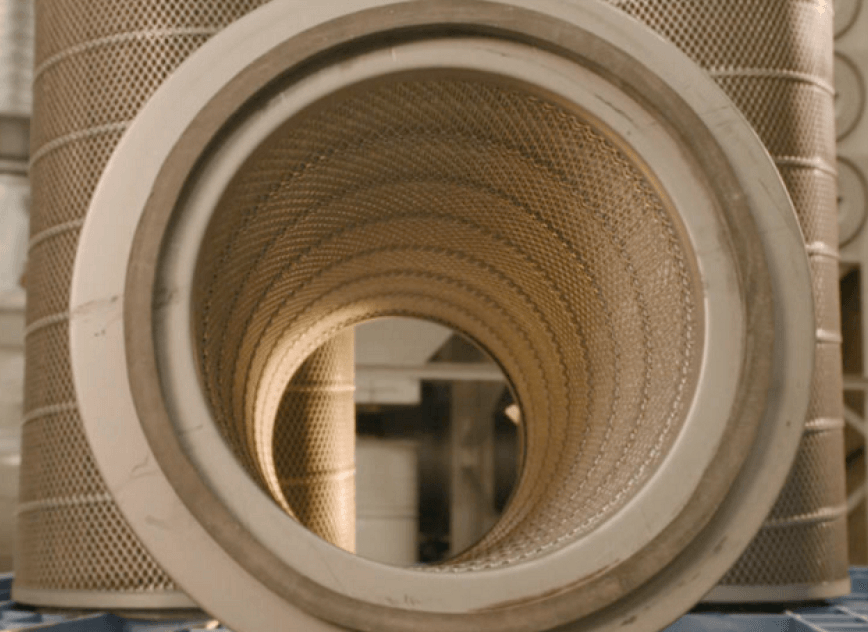
An efficient dust collection system is crucial for maintaining a clean and safe work environment in industries where airborne dust and particulate matter are prevalent.
While dust filters are essential, an often-overlooked part of the system is the ducting that connects the various components. Ductwork, a critical component of industrial central dust collector systems, plays a pivotal role in the effectiveness and longevity of dust filters in capturing and removing dust. It connects various sources of dust and air contaminants, such as manufacturing processes, woodworking equipment, and other industrial operations, to the central dust collector for filtration and removal.
Airflow Control and Management
One key aspect of ductwork is controlling airflow. Proper design and sizing of dust collection ducting, along with the use of dampers and other control mechanisms, ensure that airflow is maintained at an appropriate rate, pressure, and velocity.
This control is essential for optimizing the collection efficiency of the dust collection system — an imbalance in airflow can lead to poor capture at some sources and dust settling in low-velocity branches. A well-designed system ensures that all dust sources are adequately captured and that the dust and contaminants are effectively transported to the collector.
In many industrial settings, multiple processes or pieces of equipment generate different types of dust. Once branches join, those dusts mix in the ductwork and the collector, so incompatible dusts should be routed to separate collection systems. Mixing them can hurt collector performance or create safety hazards for workers.
Think of ducting as the filter's delivery system: if air arrives unbalanced, leaking, or full of turbulence, even the best filter can't perform the way it should.
Maintenance and Efficiency
Efficiency and maintenance are crucial aspects of ductwork. An efficiently designed system can save energy and maintenance costs while extending the life of the central dust collector. Ductwork should be designed with maintenance and access in mind, allowing for easy cleaning, inspection, and repairs. Regular maintenance is vital to ensure the continued performance and safety of the system.
Regulatory Compliance
Compliance with environmental regulations and safety standards is essential in many industrial settings. Ductwork plays a significant role in helping facilities meet these requirements by preventing the release of hazardous dust particles into the facility and protecting both workers and equipment.
Noise from the system can be reduced with a silencer on the fan exhaust. Avoid lining dust collection ducts with sound-absorbing material, which can trap dust, wear out, and add a fire risk.
Understanding the impact ducting has on dust collector filter performance is critical to the overall efficiency of your system.
Planning New Ductwork or Upgrading Old Runs?
Our sister company designs and supplies dust collection ducting. Visit Ducting Systems →
Key Factors for Dust Collection System Performance
1. Airflow velocity and balance
Ducting should be designed to maintain minimum transport velocity in every branch so dust doesn't settle. Properly sized and balanced ducts keep dust-laden air moving steadily to the collector.
2. Duct layout and configuration
The layout and configuration of ducting are critical in ensuring that dust-laden air is effectively captured and transported to the collection point. Ducts should be designed with smooth bends and minimal sharp angles to reduce turbulence, which can cause dust particles to settle in the ducts.
3. Sealing and leakage prevention
Properly sealed ductwork is essential. Leaks pull outside air into the system, which reduces suction at the source and wastes fan capacity. Regular inspections and maintenance are necessary to identify and address any leaks promptly.
4. Material selection
The choice of ducting material is also crucial. The material should stand up to the dust's abrasiveness and corrosiveness, handle your process temperatures, and be properly grounded when handling combustible dust.
5. Cleaning and maintenance
Regular cleaning and maintenance of the ductwork are necessary to ensure optimal performance. This may involve periodic inspections, cleaning of ducts and fittings, and replacement of worn or damaged components.
6. Filter protection
Proper ducting can help protect the filters from uneven loading, abrasion, and dust surges, extending the filter's lifespan and reducing maintenance requirements.
Filters loading up too fast? Check the ducting before blaming the filter. Leaks, airflow imbalance, and dust settling in the ducts can all put extra load on your filters and shorten their life.
7. Hazardous materials handling
In some industries, the ducting system must handle hazardous materials or explosive dust. Special ducting designs and safety measures are necessary to prevent accidents and protect workers.
By paying attention to these key factors, you can improve the overall efficiency and effectiveness of your dust collection system while enhancing workplace safety. Whether you are an industrial manager looking to optimize your workspace's cleanliness or a safety-conscious worker, understanding the importance of ducting is essential for achieving a successful and cost-effective dust collection solution.
Ducting Sorted? Make Sure the Filters Match.
Enter your OEM part number or dimensions and we'll find the right replacement. Use the Filter Finder →
Frequently Asked Questions
How does ducting affect dust collector filter performance?
Ducting controls the rate, pressure, and velocity of airflow carrying dust to the collector. Well-designed ductwork maintains transport velocity, prevents leaks that rob suction from the hoods, and protects filters from uneven loading, abrasion, and dust surges, which improves efficiency and extends filter life.
What happens if dust collection ductwork is poorly designed?
Poorly designed ductwork can cause poor capture at some sources and dust settling in low-velocity branches. Sharp angles create turbulence that lets dust settle in the ducts, reducing filter efficiency and creating safety hazards.
Why should dust collection ducts have smooth bends?
Smooth bends and minimal sharp angles reduce turbulence in the airflow. Less turbulence keeps dust particles moving to the collector instead of settling inside the ducts.
Can one ducting system handle different types of dust?
Not always. Once branches join, dusts mix in the ductwork and the collector. Incompatible dusts should be routed to separate collection systems to avoid hurting collector performance or creating safety hazards for workers.
How do I choose the right ducting material for dust collection?
Choose a ducting material that resists corrosion, abrasion, and the temperatures in your process. For combustible dust, the ductwork must also be properly grounded.
How should dust collection ductwork be maintained?
Maintain ductwork with periodic inspections for leaks and dust buildup, cleaning of ducts and fittings, and prompt replacement of worn or damaged components. Designing ductwork with easy access makes cleaning, inspection, and repairs simpler.
Does ducting help with regulatory compliance?
Yes. Properly designed ductwork captures hazardous dust at the source before it reaches the facility, helping meet environmental and safety standards while protecting workers and equipment. Systems handling explosive dust need special ducting designs and safety measures.
Have more questions? Visit our full FAQ page →
You may also like: