
Resources & Guides
Practical guides on dust collector filters, maintenance, and safety from the specialists at Air Cleaning Specialists.
Practical guides on dust collector filters, maintenance, and safety from the specialists at Air Cleaning Specialists.
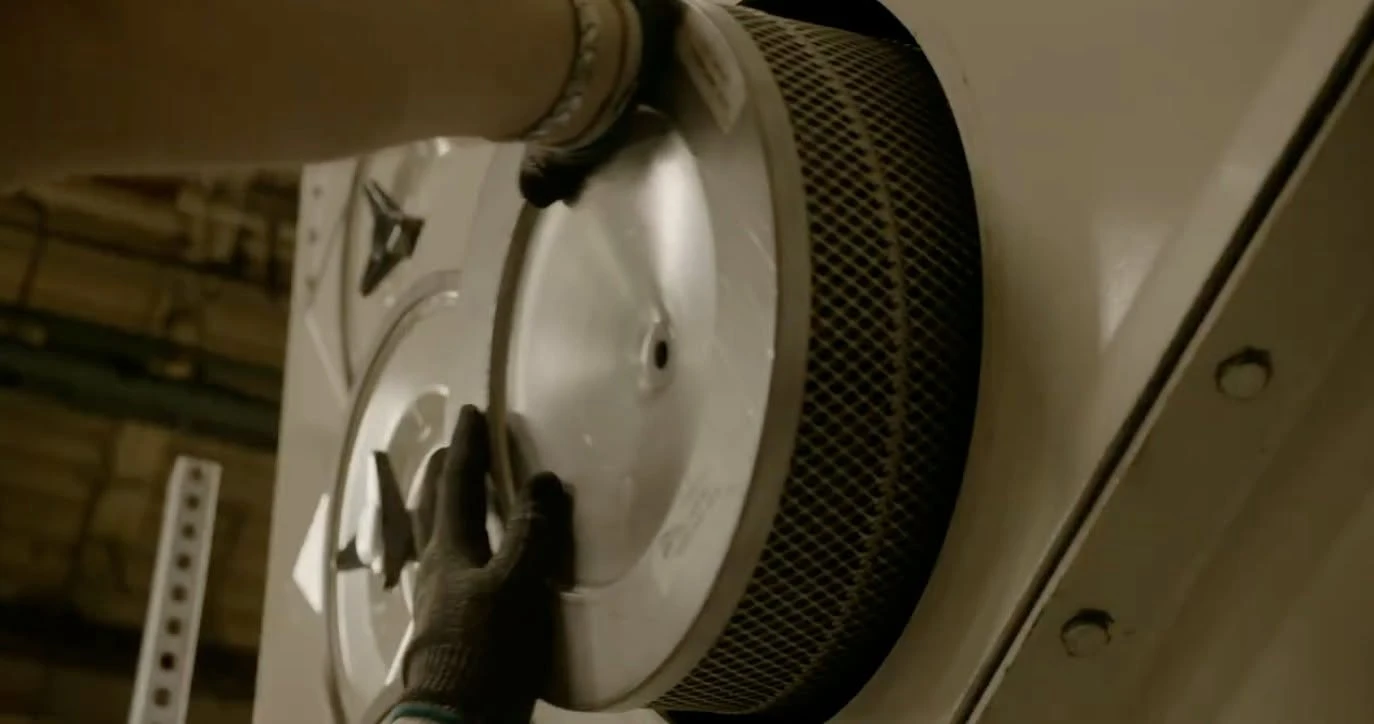
MERV (Minimum Efficiency Reporting Value) rates how well an air filter captures airborne particles. Higher ratings capture smaller particles, from MERV 1–4 filters that stop coarse dust and pollen to MERV 13–16 filters that capture weld fumes, bacteria, and smoke. But higher MERV also means more airflow resistance, so your appli
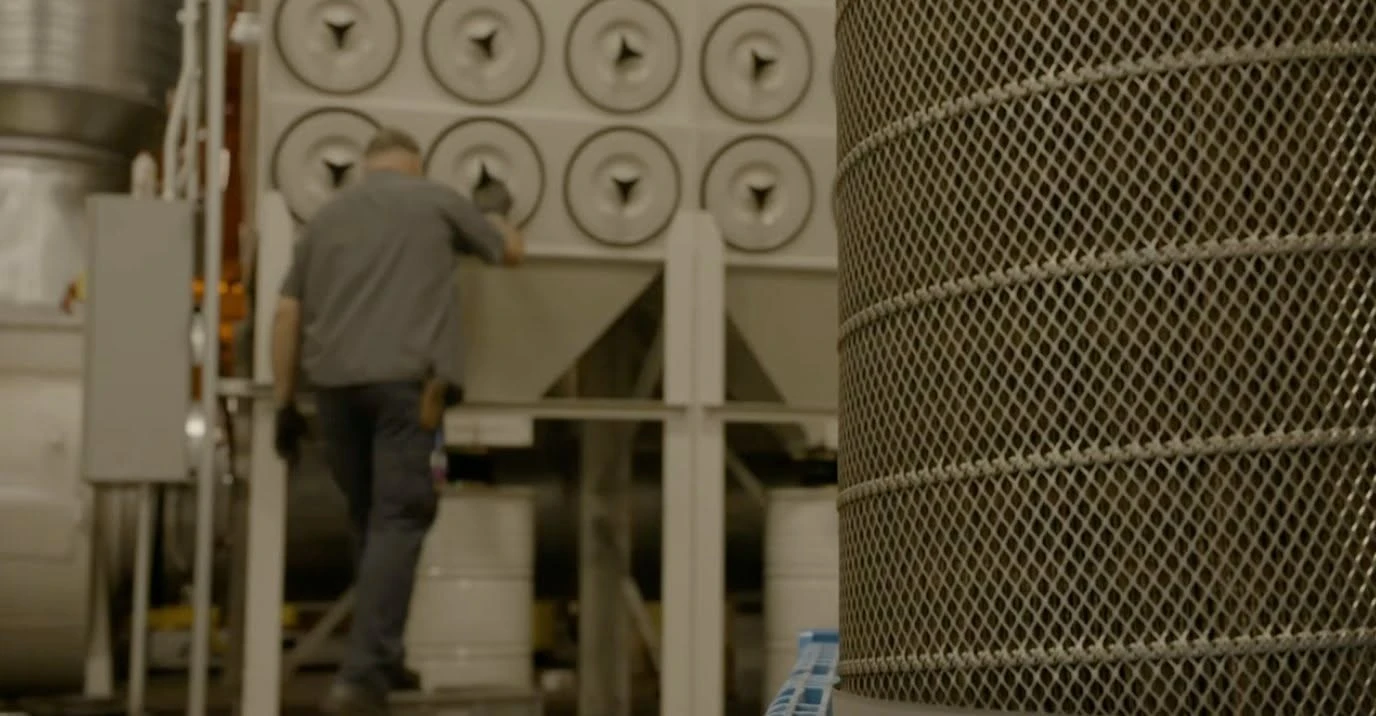
Most dust collector companies don't make their own filters. They buy them from a handful of ISO-rated U.S. manufacturers and mark up the price. Buying replacement filters directly through a supplier that works with those manufacturers gets you filters built to OEM specifications at a lower cost. When choosing replacement fi
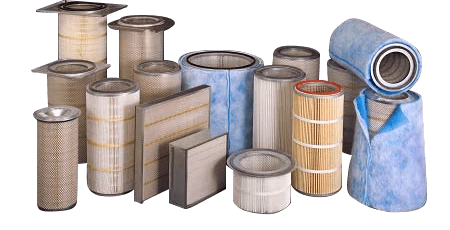
To choose the right dust collector filter, consider five factors: the filters your collector currently uses, the type of air contaminants (including whether the dust is combustible), the size of the particles, whether the application is high-temperature, and the filter resistance needed. The right filter has the corre
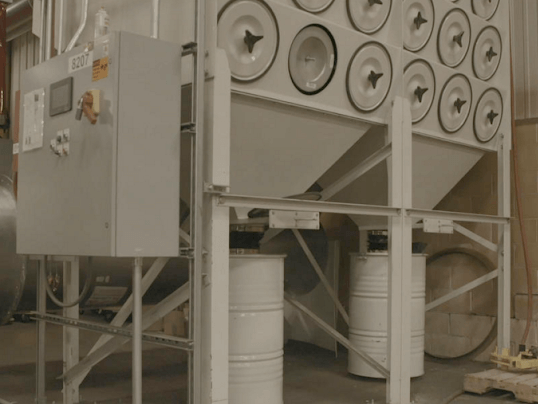
To maintain a dust collector, follow a preventative maintenance plan with daily, weekly, monthly, and yearly inspections. Keep compressed air at the right pressure, inspect filters for leaks and tears, empty the hopper regularly, watch for visible emissions, change filters before exceeding the maximum pressure drop, and
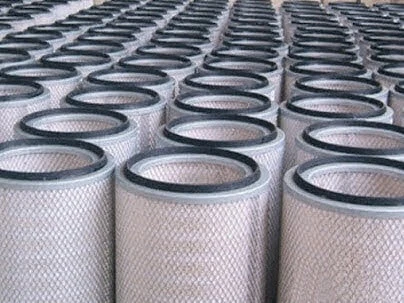
Air-to-cloth ratio, also called filter velocity, is a dust collector's airflow in CFM divided by its total square feet of filter media. For example, 3,000 CFM ÷ 1,000 sq ft of media = a 3:1 ratio. Applications with heavier dust loads need lower ratios (more filter media). Too little media causes dust buildup, higher pressure,
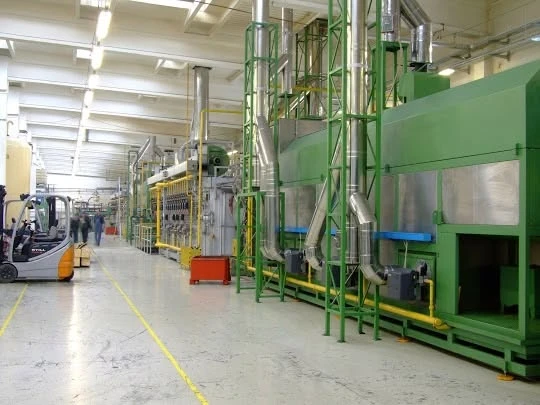
Industrial process dust is fine particulate created by manufacturing processes like grinding, cutting, and deburring, as well as woodworking, food processing, and agriculture. Because it spreads quickly and can contain toxic contaminants, it must be controlled with a dust collector using filters that match th

Five key precautions make dust collection systems safer: change filters based on pressure drop and manufacturer guidance, use pulse/clean-on-demand cleaning, install NFPA-required explosion protection such as explosion venting, high-speed abort gates, and isolation valves, keep hoppers free of stored dust, and protect

High-temperature dust collector filters use specialized filter media built to withstand sustained heat while capturing dust, fumes, and other contaminants. They're used in industries such as pharmaceutical, automotive, cement, and food processing, where many processes run at several hundred degrees, requir