
Optimizing Industrial Air Quality: Choosing the Right Process Dust Filters
Quick Answer:
Industrial process dust is fine particulate created by manufacturing processes like grinding, cutting, and deburring, as well as woodworking, food processing, and agriculture. Because it spreads quickly and can contain toxic contaminants, it must be controlled with a dust collector using filters that match the system's specifications, dust type, and application demands, such as explosive dust, fine particulates, or heavy dust loads.
Table of Contents
What Is Industrial Process Dust?

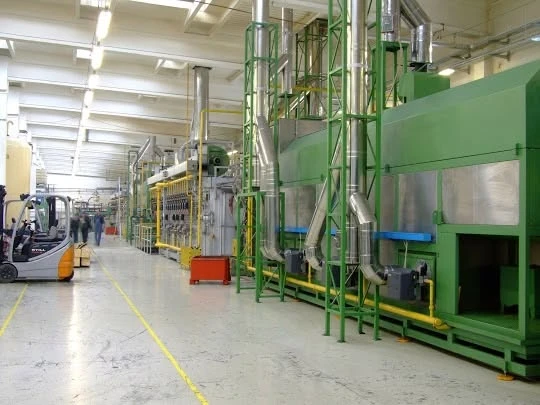
Industrial process dust develops during most manufacturing processes, such as grinding, deburring, and cutting, and also develops during food processing, boat building, agriculture production, woodworking, and many others. Process dust, or industrial dust, is made up of very fine particulates. When emitted, process dust quickly moves through the entire building, entering the air stream, settling on work surfaces, equipment, and flooring, and ultimately causing health and safety risks.
Common Sources of Process Dust
Grinding Deburring Cutting Food Processing Boat Building Agriculture Woodworking
Health and Safety Risks of Process Dust
Because industrial process dust may consist of toxic air contaminants, overexposure can result in eye, nose, and throat irritation, headaches, dizziness, nervous system damage, and cancer — to name a few. All process dust, regardless of type, must be effectively controlled to ensure the air is clean, breathable, and free of debris.
Protecting employees' safety is a top priority, and efficiently controlling process dust can boost morale, lower sick days, save on energy costs, and help prevent equipment malfunction.
Boosts morale
Fewer sick days
Lower energy costs
Less equipment malfunction
Understanding Process Dust Control Solutions
There are local, state, and federal regulations that must be abided by based on the industrial process applications that take place in your building or facility.
Utilizing dust collection systems eliminates industrial process dust by drawing air contaminants away from the source and into the collector, where it is sent through specialized filter media to be cleaned and returned into the building or outside, away from the facility.
Filter Selection and Cost-Effective Solutions
While dust collectors work using various parts within the system, the cartridge filters make all the difference in air quality! The correct process dust filters are designed to meet the dust collection system's specifications and size, are made of the right filter media, and can also handle the specific demands of your applications.
Industrial process dust filters may need to accommodate explosive dust environments, collect very fine particulates, handle heavy dust loads, prevent cross contamination, etc.
Does your filter need to handle:
- ✓ Explosive dust environments?
- ✓ Very fine particulates?
- ✓ Heavy dust loads?
- ✓ Cross-contamination prevention?
Many well-known dust collection systems and air filter manufacturers carry replacement cartridge filters that are expensive and do not always fit within the budget. ACS works with leading filter manufacturers. Our replacement dust collector filters undergo rigorous testing to ensure they will provide high-quality performance at the same level or better than the OEM — and save businesses up to 50% off.
Up to 50% Off
OEM-level performance or better, without the OEM price
We offer replacement industrial process dust filters for almost every type of dust collection system! Get in touch with our specialists for help with the specifications, sizing, and filter media that is best for your dust collector and industrial process applications!
Need Help With Specs, Sizing, or Media?
Our specialists will match the right process dust filter to your collector. Request a Quote →
Frequently Asked Questions
What is industrial process dust?
Industrial process dust is very fine particulate matter released during manufacturing and production processes such as grinding, cutting, and deburring. It spreads quickly through a facility, entering the air stream and settling on surfaces, equipment, and floors.
Which industries produce process dust?
Process dust is produced in metalworking and general manufacturing, food processing, boat building, agricultural production, and woodworking. Almost any operation that grinds, cuts, sands, or handles bulk materials generates it.
What are the health risks of exposure to process dust?
Because process dust can contain toxic contaminants, overexposure can cause eye, nose, and throat irritation, headaches, dizziness, nervous system damage, and cancer. Controlling it protects workers and helps facilities meet local, state, and federal air quality regulations.
How does a dust collector remove process dust?
A dust collector draws contaminated air away from the source and pulls it through specialized filter media, which captures the particulate. The cleaned air is then returned to the building or vented outside the facility.
How do I choose the right process dust collector filter?
Choose a filter that matches your dust collector's specifications and size, uses the right filter media for your dust type, and can handle your application's demands, such as explosive dust, very fine particulates, heavy dust loads, or cross-contamination prevention.
Are replacement dust collector filters as good as OEM filters?
Quality replacement filters can perform at the same level as OEM filters or better. ACS replacement dust collector filters undergo rigorous testing to match or exceed OEM performance and can save businesses up to 50% compared to OEM pricing.
What if I don't know which filter my dust collector uses?
Fill out the filter finder form with whatever information you have, such as the collector brand, filter dimensions, or part numbers. An ACS specialist will identify the correct replacement and send you a quote.
Have more questions? Visit our full FAQ page →
You may also like: