

Dust Collector Filter Selection: Boost Efficiency and Air Quality
Quick Answer:
To choose the right dust collector filter, consider five factors: the filters your collector currently uses, the type of air contaminants (including whether the dust is combustible), the size of the particles, whether the application is high-temperature, and the filter resistance needed. The right filter has the correct dimensions and media, which improves efficiency and air quality, supports compliance, and lowers maintenance costs.
Table of Contents
What Dust Collector Filters Do
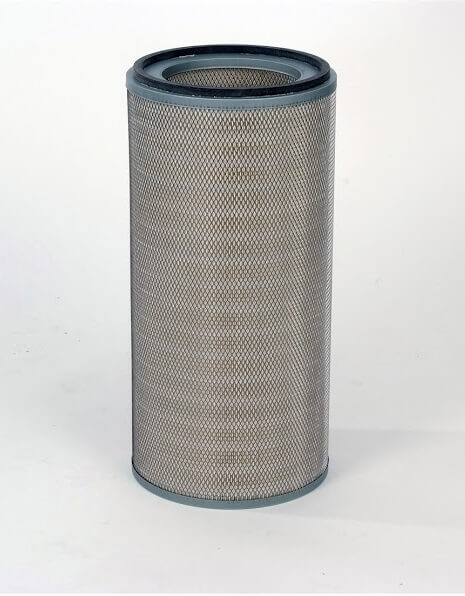
Filters play a major role in dust collection systems and are designed to capture dust and other airborne contaminants by utilizing a series of filter media to capture particulate as it's being drawn in.
Dust collector filters are used in a range of applications to control grinding dust, welding fumes, process dust, flame-retardant, and high-temperature processes — they protect the safety of machine operators and other employees or people nearby.
The proper filters keep dust collectors operating at their highest efficiency and also help lower maintenance costs, improve air quality, and ensure that regulations are met.
Because dust collector filters keep contaminated air from entering respiratory zones and settling on surfaces, they also lower the risks of employee injury and production loss.
5 Factors for Choosing the Right Dust Collector Filter
But how do you know which filter is right for your dust collection system? Get started by considering these five factors, and get in touch with our team to learn more!
Your 5-Question Filter Checklist
- ✓ What filters does your collector use now?
- ✓ What contaminants are you filtering, and are they combustible?
- ✓ How big are the particles?
- ✓ Is the application high-temperature?
- ✓ What filter resistance does your system need?
1. What filters does the dust collector currently use?
Finding out what dust collector filters are being used will help determine the type of current filter media. Filter media is made available in a range of options and may be coated with flame-retardant, static dissipation, or conductive substances to meet specific application demands.
Dust collector filters must be the correct dimensions and made of the right filter media to be effective. If you're having trouble trying to find or identify your dust collector filters, complete this form and we'll track it down for you!
Can't Identify Your Current Filter?
Enter your OEM part number or dimensions and we'll track it down for you. Use the Filter Finder →
2. What air contaminants are you filtering?
When it comes to dust collector filters, it's important to understand the type of dust and/or other airborne contaminants that will be filtered. Industrial dust can be made up of various materials including reactive materials, which is why it's crucial to use the proper filters based on application.
Reactive materials can burn or corrode in contact with oxygen and can form combustible dust. Not all dust is combustible. Dust will vary in the potential for combustion and how severe airborne dust deflagrations might be. Combustible dust applications require specialized equipment and filter technology.
Combustible dust? Not all dust is combustible, but when it is, standard filters aren't enough. These applications require specialized equipment and filter technology.
3. How big are the air contaminants?
Industrial dust consists of various-sized particulates, including very fine, that can easily travel through an entire facility — making it dangerous and difficult to control. The correct dust collector filter is equipped with media that's designed to capture and remove the dust and air contaminants that are specific to your application.
4. Is your application high-temp?
During high-temp applications, the combination of the high speeds and materials being used results in the transmission of hazardous dust and particulate.
Machining processes and applications that generate extreme temperatures require specialized filter media. The right dust collector filter will ensure that temperature requirements are met and dangerous contaminants are removed effectively.
5. Filter resistance
Filter resistance is the static-pressure drop across the filter at a designated face velocity. The filter that is right for the dust collection system will provide the appropriate resistance for filter loading and dust holding capacity at various pressure drops to prevent dust build-up and filter failure.
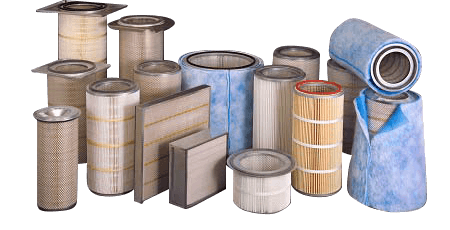 Effective dust collector cartridge filters meet the specifications of the dust collector and the demands of the application. Dust collector filters are most efficient when they are made of the proper filter media and are of the correct dimensions. To learn more about sizing dust collector cartridge filters, get in touch with our team of specialists!
Need Help Sizing Your Filters?
Our specialists will match the right dimensions and media to your application. Request a Quote →
Frequently Asked Questions
How do I know if I'm using the right dust collector filters?
The right filters match your dust collector's specifications and dimensions and use media suited to your application. Check what filters the collector currently uses, the type and size of contaminants, whether the application is high-temperature, and the filter resistance required.
What applications use dust collector filters?
Dust collector filters are used to control grinding dust, welding fumes, process dust, flame-retardant applications, and high-temperature processes, protecting machine operators and other people nearby.
What coatings are available for dust collector filter media?
Filter media can be coated with flame-retardant, static-dissipative, or conductive treatments to meet the demands of specific applications.
Do combustible dust applications need special filters?
Yes. Reactive materials can burn or corrode when exposed to oxygen and form combustible dust. Not all dust is combustible, but applications that produce it require specialized equipment and filter technology.
What is filter resistance?
Filter resistance is the static-pressure drop across a filter at a designated face velocity. The right filter provides appropriate resistance for dust loading and holding capacity, preventing dust buildup and filter failure.
What if I can't identify my current dust collector filter?
Fill out the filter finder form with whatever details you have, and an ACS specialist will track down the correct replacement filter and send you a quote.
Have more questions? Visit our full FAQ page →
You may also like: