
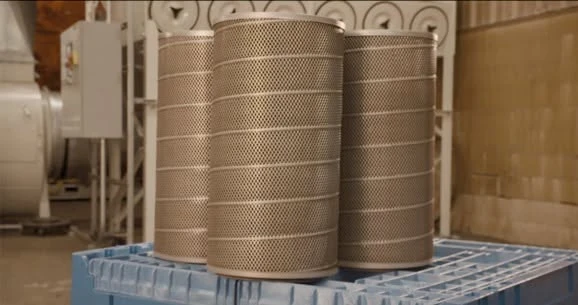
Is It Time? 5 Signs to Replace Dust Collector Cartridge Filters
Quick Answer:
Replace dust collector cartridge filters when you notice any of five signs: a change in air quality (visible dust, haze, or respiratory complaints), differential pressure above the manufacturer's recommended level, filters used past their recommended lifespan, filters that don't match your system's specifications, or visible wear and tear such as tears or leaks. Timely replacement protects air quality, efficiency, and compliance.
Table of Contents
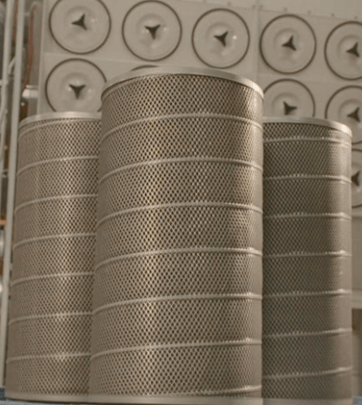
Countless industries depend on dust collector cartridge filters to clean the air in their plants, facilities, and workshops. Dust collector filters are built to withstand high-volume dust loads and feature a pleated design to provide more surface area.
Because their design allows air to flow through them easily, dust collector filters are highly effective at capturing dust and other airborne contaminants.
The most important thing to remember about dust collector cartridge filters is to change them on time.
Changing dust collector filters regularly will prevent dust and other contaminants from accumulating in the airstream and decreasing the filter efficiency. Keeping up to date on dust collector maintenance and filter changes maximizes filter life, compressed air, and energy savings.
Identifying Critical Filter Performance Signals
So, how do you know when it's time? Here are five common signs!
The 5 Signs at a Glance
- Air quality drops: visible dust, haze, or respiratory complaints
- Differential pressure climbs above the manufacturer's recommended level
- Filters are past their recommended lifespan
- Filters don't match your system's dimensions or media requirements
- Visible wear: tears, leaks, or loose gaskets
1. Changes in Air Quality
If your facility vents filtered air back into the building, any noticeable difference in the quality of the air could indicate the filters aren’t working efficiently. Visible dust or fog in the air, increased employee complaints about respiratory issues, or measurements of elevated airborne particulates are all indicators that it may be time to replace the filters.
Changing dust collector filters regularly ensures that regulations are met and prevents the risk of poor filter performance.
2. Differential Pressure
Differential pressure, or DP, measures the difference in pressure between the clean and dirty side of a dust collector. When dust builds up on cartridge filters, it makes it harder for air to pass through and creates unequal pressure that makes the DP higher.
Machine operators and maintenance technicians should be kept aware of the dust collector manufacturer's recommended differential pressure to prevent excessive run time and filter failure.
Maintenance tip: Note your dust collector manufacturer's recommended differential pressure and keep it where operators can see it, so a rising DP reading gets noticed before filters fail.
3. Overextended Filter Lifespans
When dust collectors are equipped with technology that measures filter performance and filter changes, it's almost impossible to forget when it's time for replacements. When dust collectors don't feature this type of technology, machine operators and maintenance techs have to rely on manufacturer-recommended replacement specs.
Replacing dust collector filters regularly helps the entire dust collection system run at its most efficient by improving air quality, keeping maintenance costs down, and meeting regulations.
4. Using Incompatible Filters
In order for filters to be effective, they must meet the specifications of the dust collection system and the demands of the application — this means filters are the right dimensions and are made of the right filter media.
If you need assistance determining or sizing the proper dust collector filters, complete this form, and our team will provide you with a free quote!
Not Sure Which Filter Fits Your Collector?
Enter your OEM part number or dimensions and we'll match it. Use the Filter Finder →
5. Regular Wear & Tear
Regularly inspect the clean-air side of the dust collector for leaks and the cartridge filters for tears. Don't forget to clean the DP gauge, tighten loose gaskets, replace end caps, etc.
Monitoring dust collectors for wear and tear helps prevent the risk of equipment malfunction and production loss.
Pro Tips to Extend Filter Life
To ensure that your dust collector filters last longer and perform at their best, here are a few pro tips to consider during routine maintenance:
-
Use High-Quality Filters Designed for Long-Lasting Performance
Investing in high-quality replacement filters, like those we offer, ensures better filtration, a longer lifespan, and enhanced air quality. Filters with superior materials and designs (e.g., pleated filters or nanofiber technology) require fewer replacements and perform more efficiently under high dust loads. -
Regularly Inspect Seals, Gaskets, and Connections
Leaks around seals and gaskets can drastically reduce the efficiency of your dust collector. Perform regular inspections to check for signs of wear, damage, or misalignment, and make repairs immediately to prevent dust from escaping. Keeping seals and gaskets intact helps ensure optimal airflow and filtration performance. -
Avoid Overloading the System
Ensure your dust collection system is appropriately sized for your application. Overloading the system can cause premature filter clogging and increased maintenance. If your application produces large amounts of dust or operates continuously, make sure you have enough filtration capacity to meet the demands.
100% Money-Back Guarantee: Same Performance as OEM, or Your Money Back
Maintaining dust collector cartridge filters is crucial to establishing a safe and comfortable working environment. Dust collector filters are made available in a full range of styles to capture dust and maximize surface area.
Like many machinery or equipment components, dust collector filters have a life span. Recognizing when it is time to replace filters is critical; signs may include a shift in air quality, a variance in differential pressure, an overextended lifespan, incompatible filter usage, or just regular wear and tear.
Our replacement filters are engineered to handle the toughest industrial applications, offering superior filtration, longer filter life, and cost-effective pricing. With our filters, you get the same quality as the leading brands — without the high markup.
Proactively replacing dust collector filters by following the five steps above will allow your business to provide a safe environment, improve operational efficiency, meet regulatory standards, and optimize energy use.
Frequently Asked Questions
How do I know when to replace my dust collector filters?
Watch for five signs: changes in air quality, differential pressure above the manufacturer's recommended level, filters used past their recommended lifespan, filters that don't match your system's specifications, and visible wear and tear such as tears, leaks, or loose gaskets.
What is differential pressure in a dust collector?
Differential pressure (DP) is the difference in pressure between the clean side and the dirty side of a dust collector. As dust builds up on the filters, air has a harder time passing through and the DP rises.
How often should dust collector filters be replaced?
Replacement frequency depends on your application and dust load. Follow the dust collector manufacturer's recommended replacement specs or your system's monitoring technology, and replace filters sooner if differential pressure rises or air quality declines.
What are signs of poor air quality from dust collector filters?
Common signs include visible dust or haze in the air, more employee complaints about respiratory issues, and measurements showing elevated airborne particulates. Any of these can mean the filters are no longer working efficiently.
How can I make my dust collector filters last longer?
Use high-quality filters, regularly inspect seals, gaskets, and connections for leaks, keep the DP gauge clean, and avoid overloading the system by making sure your dust collector is properly sized for your application.
What happens if I wait too long to replace dust collector filters?
Overused filters lose efficiency, which can lower air quality, increase energy and compressed air use, risk regulatory non-compliance, and lead to equipment malfunction and production loss.
Have more questions? Visit our full FAQ page →
You may also like: